The Women’s Institute (WI) has been a cornerstone of community life for over a century. Founded in Canada in 1897 and established in Britain in 1915, the WI was created to bring women together, share skills and improve rural communities. During the First World War, it played a vital role in encouraging food production and preservation, while also giving women a stronger voice in society. Over time, the WI grew into the largest women’s organisations in the UK, famous for its campaigning, education, and community projects. From baking and crafts to debates on social issues, the WI has continually adapted, balancing its traditions with a modern role that empowers women of all generations.
Brief History of the WI
The WI first took root in Staffordshire in 1916 with the formation of the Whittington WI, now proudly recognised as the fourth oldest WI in England. Between 1917 and 1919, a further 15 sprang up across the county, reflecting the rapid growth of the movement. The Staffordshire Federation also formally established in 1919 at the Swan Hotel in Lichfield, with the Countess of Dartmouth becoming its first patron the following year.
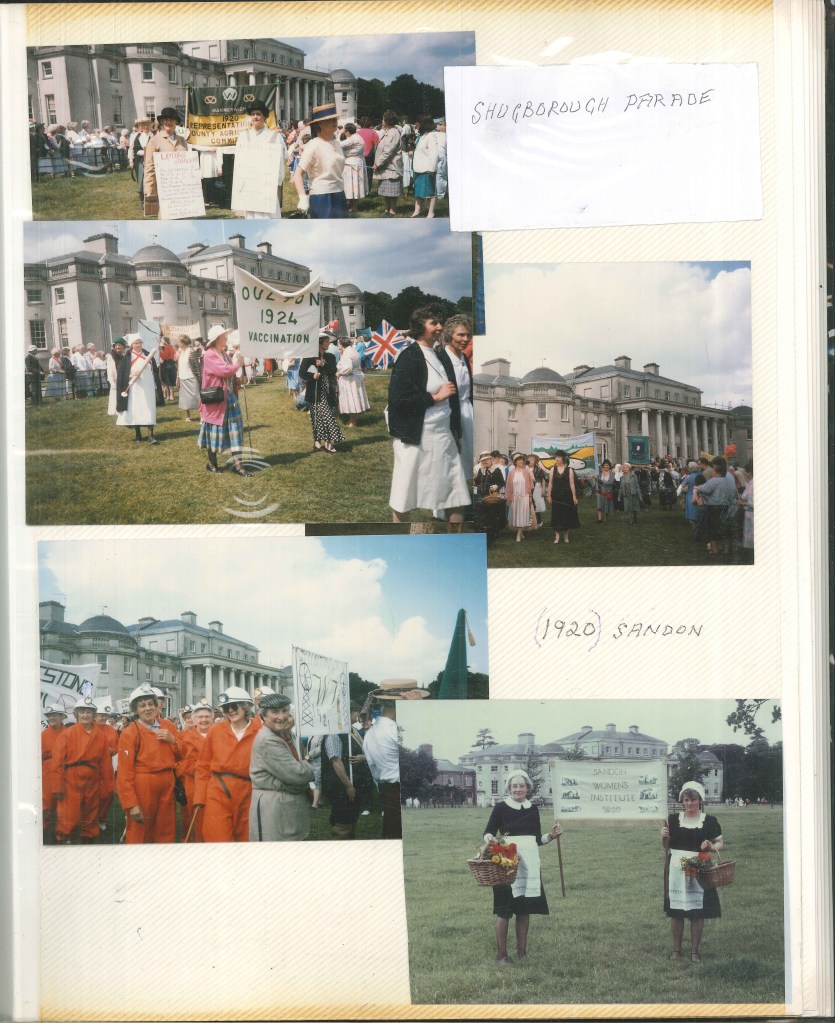
Early council meetings were held in Stafford but as membership swelled, the gatherings had to be relocated, first to Riverway School in 1947, then to Borough Hall in 1948, where they remained until 1970. Milestones were celebrated in style. In 1979 the Federation marked its 60th anniversary with an exhibition at Trentham Gardens, and ten years later hosted a pageant at Shugborough to commemorate 70 years. Publications also played a role in recording local life, with The Staffordshire Village Book (1988) and ‘Within Living Memory’ (1992) proving particularly popular. The latter was even read aloud on local radio, bringing WI voices directly into people’s homes.
Awards and competitions
Staffordshire WIs have long been recognised for their creativity and dedication. From crafts and drama to community service, their achievements have won admiration both locally and nationally. In 1946, the Federation gained national recognition when Mrs Burt, a past chairman, was appointed to lead the creation of a tapestry depicting women’s work during the war. More recently, Hales WI member Kate Chambers won gold for her gardening design at the prestigious Chelsea Flower Show, not once but twice, in 1990 and 1993. Alongside these headline moments, numerous trophies and awards over the decades stand as a testament to the Federation’s talent and enthusiasm.
Campaigns and political impact
Beyond jam and crafts, the WI quickly established itself as a powerful collective voice for women. Members in Staffordshire played a key part in shaping campaigns on social and political issues. At the 1922 Annual General Meeting, Staffordshire succeeded in passing two resolutions: one addressing criminal assault and another calling for the reinstatement of women police officers. A decade later, Barton and Dunstall WI submitted a resolution urging stricter film censorship.
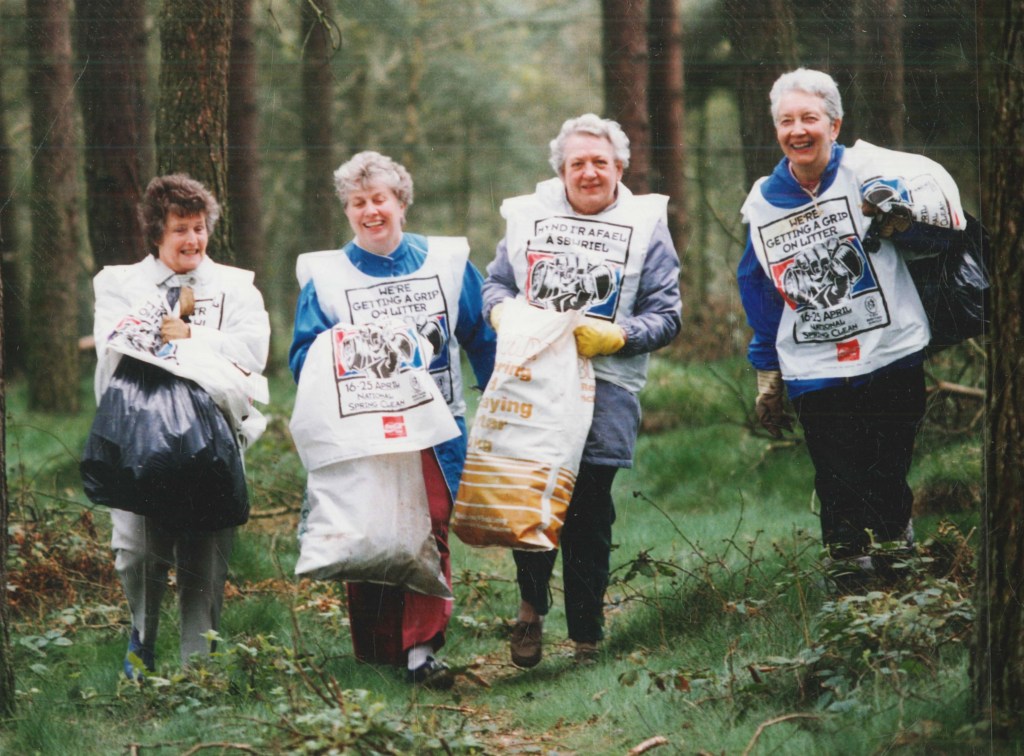
This tradition of activism continues today. Most recently, Staffordshire WIs were behind the national resolution Bystanders Can Be Lifesavers, which calls for greater CPR training and improved access to defibrillators. And while campaigning has always been central, Staffordshire members also made a huge impact during both World Wars, supporting food production, assisting evacuees, and strengthening community resilience.
Education and Denman college
Education has always been at the heart of the WI’s mission and nowhere was this more visible than at Denman College. Opened in 1948, Denman provided a residential space where women from across the country could learn new skills, explore new ideas, and build lifelong friendships. The college owed its existence in part to the 1944 Education Act, which opened up funding for adult learning initiatives.
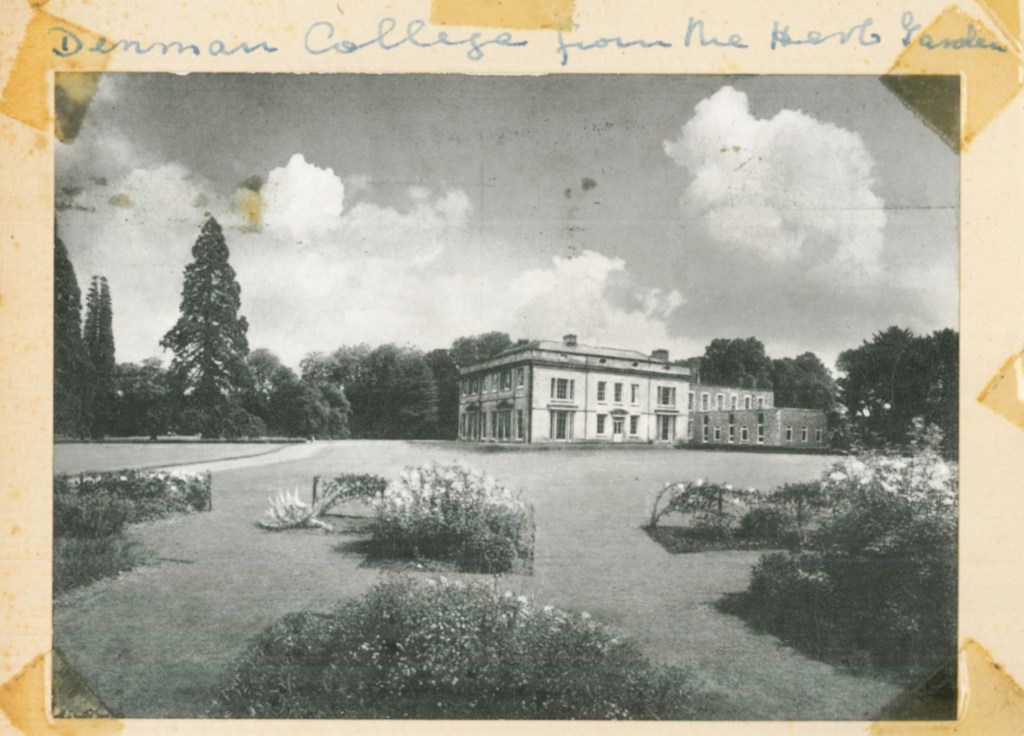
Staffordshire’s connection to Denman was particularly strong through its pottery heritage. A plaque in the dining room commemorated the county’s contribution of crockery, while harvest jugs and Wedgwood pieces from Staffordshire graced the Livingstone Room and halls. Staffordshire even had its own dedicated bedroom at Denman, furnished and decorated to reflect the county’s traditions, giving members a sense of home whenever they visited. Sadly, Denman closed in 2020 after financial struggles, but its legacy lives on through the WI Learning Hub, launched in 2024, which continues to provide members with accessible and flexible opportunities to learn.
From its earliest days in Staffordshire to its national impact on education, campaigning, and community life, the WI has proved itself far more than a social club. It is a movement that celebrates women’s creativity, amplifies their voices, and adapts to changing times while honouring its traditions. As Staffordshire’s history shows, the WI is not only about cakes and crafts; it is about courage, community, and creating change that lasts for generations.
If you would like to see more about our work with the WI please visit our SFWI online exhibition space.
Georgia Bialkowski, Placement Student
 Staffordshire History Centre
Leave a comment