Collections Interpretation Officer, Sophie, looks back at the development of the ‘Beneath our feet’ exhibition.
In October 2022 I joined the Archives and Heritage service on a 4-year contract at a really exciting stage in the Staffordshire History Centre project. Alongside collaborating with the team on interpretation for the History Centre and learning the ropes, I was tasked with starting work on the next large touring exhibition. A chance to get some objects and documents out on the road while construction of the History Centre continued until 2024. This first exhibition started with some keywords: natural resources, industry, and landscape.
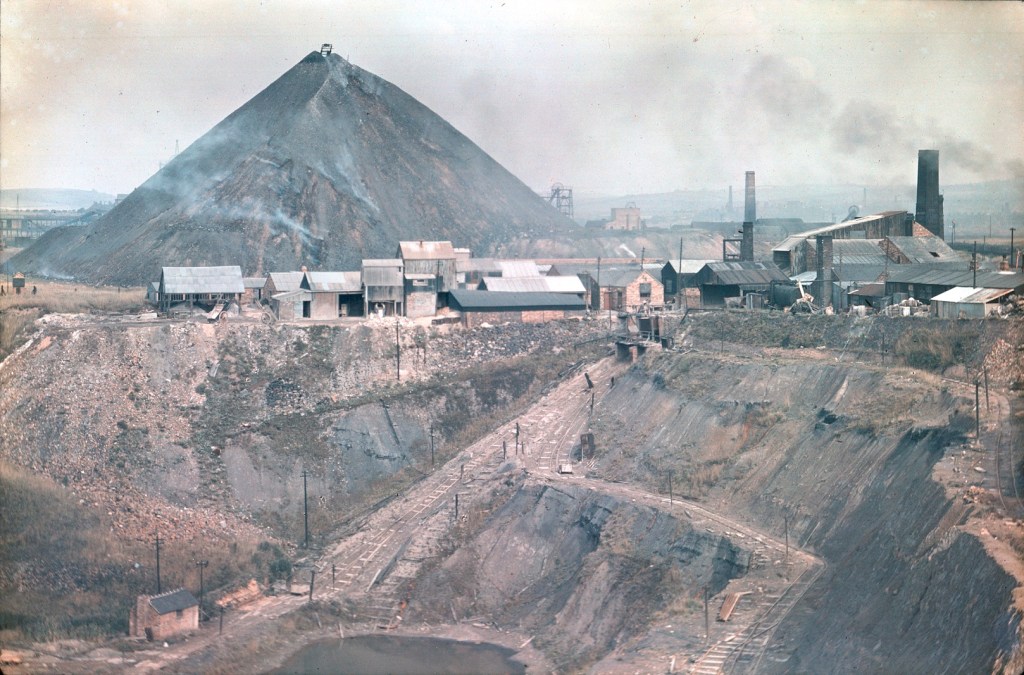
The first natural resources that came to mind were coal and clay. The two materials most often associated with Staffordshire. But the more I researched the more I learnt about salt, limestone, sandstone, gypsum, alabaster, wool, soil, iron, copper, timber and more! Each natural resource had its own complex and rich history.
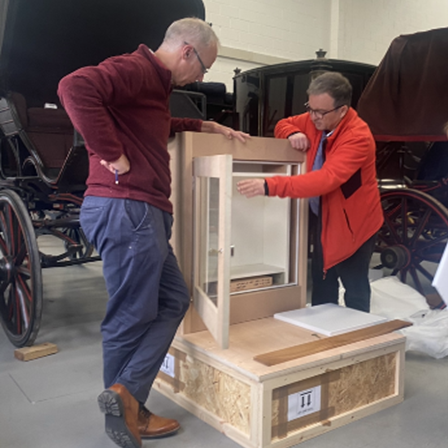
We decided on “Beneath our feet” for the title and wanted it to be an overview of Staffordshire’s natural resources, and the amount of industry that came from those raw materials. We wanted to show how our landscape has been changed by industry, and how people’s lives have been shaped. We wanted to highlight the impacts of industry but also how our landscape is healing. I started to explore how our collection objects and documents aligned with the stories we wanted to tell about each one of those raw materials.
This wouldn’t be an easy task. In the museum collection there are roughly 27,000 objects (not including the 50,000 photographs!) and the Staffordshire Record Office holds millions of documents. I needed an exhibition team to help me navigate what we have in our collection and how best to use it. Luckily for me, I was able to draw on the huge amount of collective knowledge from the existing members of the team.
Not only that, but we were able to work with other museums and heritage offers in the area during the research phase of the exhibition. We were hosted by places such as the Black Country Living Museum, who helped explain their interpretation and exchanged information on how best to represent the stories we wanted to tell about the working people of Staffordshire. We were also kindly loaned objects to enhance our display from the more specialist collections of the Lapworth Museum of Geology, the Museum of Cannock Chase and the Potteries Museum and Art Gallery.

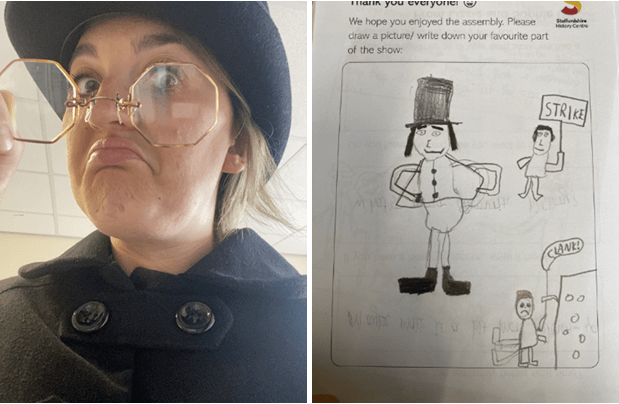
When I think of the highlights of my time so far … dressing up as the Machiavellian character “Mr Moneybags” comes instantly to mind. Working closely with our Learning Officer, we put together a “Beneath our feet” school offer. This included an assembly on raw materials and working lives, as well as creative post-assembly activities. From the development of ideas on how to engage the children, “Mr Moneybags” was born! This character was there to recruit children to work in his industries, before showing the children some images from our collection and some “horrible histories” style facts to convince them otherwise!! Now, being an unscrupulous industrialist and booming at Key Stage 2 children about chain-makers and miners wasn’t quite what I imagined I would be doing in this role … but it has been a fun and insightful venture! Though amateur dramatics are far removed from my comfort zone, I have noticed a sense of personal and professional growth in taking those opportunities to expand my experience and explore other areas of the service during my time here.
Having the capacity to be creative with historic objects, and bring history to life, is what I craved when I applied for this position. It has most definitely delivered on that when taking part in school assemblies! I particularly enjoy getting booed off stage by the children striking against me for better pay and working conditions.
Personally, I have a particular love of photography. So, another highlight for me has been spending time in the art vault in the museum stores. Spending time looking through photographs and sourcing images to support the written content of the exhibition. This was especially true of bringing out the images of working people. One of my favourite images of the whole exhibition is the photograph of two women brickmakers from Cradley Heath in 1907. They look so strong and staunch, and I feel a sense of pride that I was able to bring that image to the forefront of our display and highlight them. I hope that if they weren’t respected in their own time, that we can appreciate and admire their strength now through this exhibition.

I have also particularly enjoyed absorbing some of the less formal teachings from the team over cups of tea; listening to colleagues regale me with stories of exhibitions past (and trying to take mental notes through the laughter!)
Writing the main text for the exhibition was the part of this process that took me a little longer to get comfortable with. Through this role I have been encouraged to seek out some formal training on this in readiness for the next exhibition. Hopefully I can build on the skills I have already learnt through the course of putting this exhibition together, and I look forward to enrolling on a Heritage Interpretation course in the summer.

The exhibition will continue to tour venues across the county during 2024. For information on locations and dates visit our Exhibitions Page.
 Staffordshire History Centre
Leave a comment